
The evolution of gambling through the ages a historical perspective
The Origins of Gambling
The roots of gambling can be traced back to ancient civilizations, where games of chance were often intertwined with cultural and religious practices. Archaeological findings suggest that the earliest known gambling artifacts date back to around 3000 BC in Mesopotamia, where dice made from bone were discovered. These simple games were not merely for entertainment; they often served a social function, helping to forge bonds among community members while also acting as a form of divination. In this context, online platforms like Fun Casino have transformed how people engage with these age-old traditions.

In ancient China, gambling took on a more organized structure, with the creation of Keno during the Han Dynasty around 206 BC to 220 AD. This game was reportedly used to fund government projects, highlighting how gambling was not just a pastime but also a means of financial resource allocation. The Chinese were also known for their use of bamboo slips and tiles in various forms of games, illustrating a sophisticated understanding of chance and probability.
As societies evolved, gambling became more complex, and its forms diversified. Ancient Rome embraced games of chance as well, with betting on gladiatorial games and chariot races being popular among citizens. This cultural acceptance of gambling laid the groundwork for future generations, illustrating that the human inclination to gamble was already well-established in antiquity.
The Middle Ages: Gambling in Europe
The Middle Ages marked a significant shift in the landscape of gambling, particularly in Europe. During this period, various forms of gambling emerged, including the popularity of card games, which were introduced from Asia. The first known playing cards appeared in Europe in the late 14th century, with games like Tarot becoming increasingly popular across social classes. This not only diversified the gambling landscape but also added layers of strategy and skill to what had been primarily games of chance.
As gambling grew in popularity, so too did the regulation of it. The Church, which had significant influence during the Middle Ages, often condemned gambling, associating it with vice and immorality. Despite this, underground games thrived, reflecting a persistent human desire to engage in risk and reward activities. The tension between societal norms and individual desire created a complex cultural dynamic that would shape gambling practices for centuries to come.
In the latter part of the Middle Ages, the establishment of gaming houses and public betting venues became increasingly common. By the time of the Renaissance, gambling was often viewed as an acceptable pastime among the nobility, and the first known official lottery was established in the Low Countries in the 15th century. This blending of leisure and state revenue set the stage for modern gambling practices.
The Rise of Modern Gambling
The 17th and 18th centuries saw the emergence of more structured gambling establishments, such as the first casinos in Italy. The Casino di Venezia opened in 1638, pioneering a model that combined social interaction with gambling. This shift marked a transition from informal, social gambling to organized venues where people could engage in various forms of betting under regulated conditions. This evolution laid the groundwork for the modern casino experience.
The advent of the Industrial Revolution brought further changes as urbanization created new social landscapes. Gambling became more accessible to the masses, with the introduction of horse racing as a popular betting sport. The establishment of betting parlors and increased public interest led to the official regulation of horse racing in many countries, resulting in a surge of organized gambling events that attracted a broad demographic.
By the 19th century, the proliferation of gambling in various forms had expanded globally. The United States, in particular, witnessed a boom in gambling culture, from the Gold Rush to the development of Las Vegas as a gambling hub in the 20th century. This era marked the transformation of gambling into a key component of entertainment, further embedding it into the fabric of society.
The Digital Revolution and Online Gambling
The late 20th century brought about the digital revolution, which fundamentally transformed the landscape of gambling. The internet opened new avenues for gambling, allowing users to engage in gaming from the comfort of their homes. The first online casino was launched in 1994, marking a significant milestone in the evolution of gambling. This shift democratized access to gambling, allowing individuals who may not have frequented traditional casinos to participate in various games.
Online gambling platforms have since evolved into comprehensive entertainment hubs, offering a plethora of games including slots, poker, and live dealer options. The integration of advanced technology, such as virtual reality and mobile gaming, has further enriched the gambling experience, making it more immersive and accessible. Players can now access thousands of games at the click of a button, marking a stark contrast to the physical limitations of traditional gambling venues.
However, the rise of online gambling has also brought challenges, including issues related to responsible gaming and regulatory compliance. Governments worldwide are working to create frameworks that ensure fair play and protect players. The responsible gaming movement aims to promote safe gambling practices while balancing the growth of this dynamic industry, underscoring the ongoing complexities associated with gambling in the digital age.
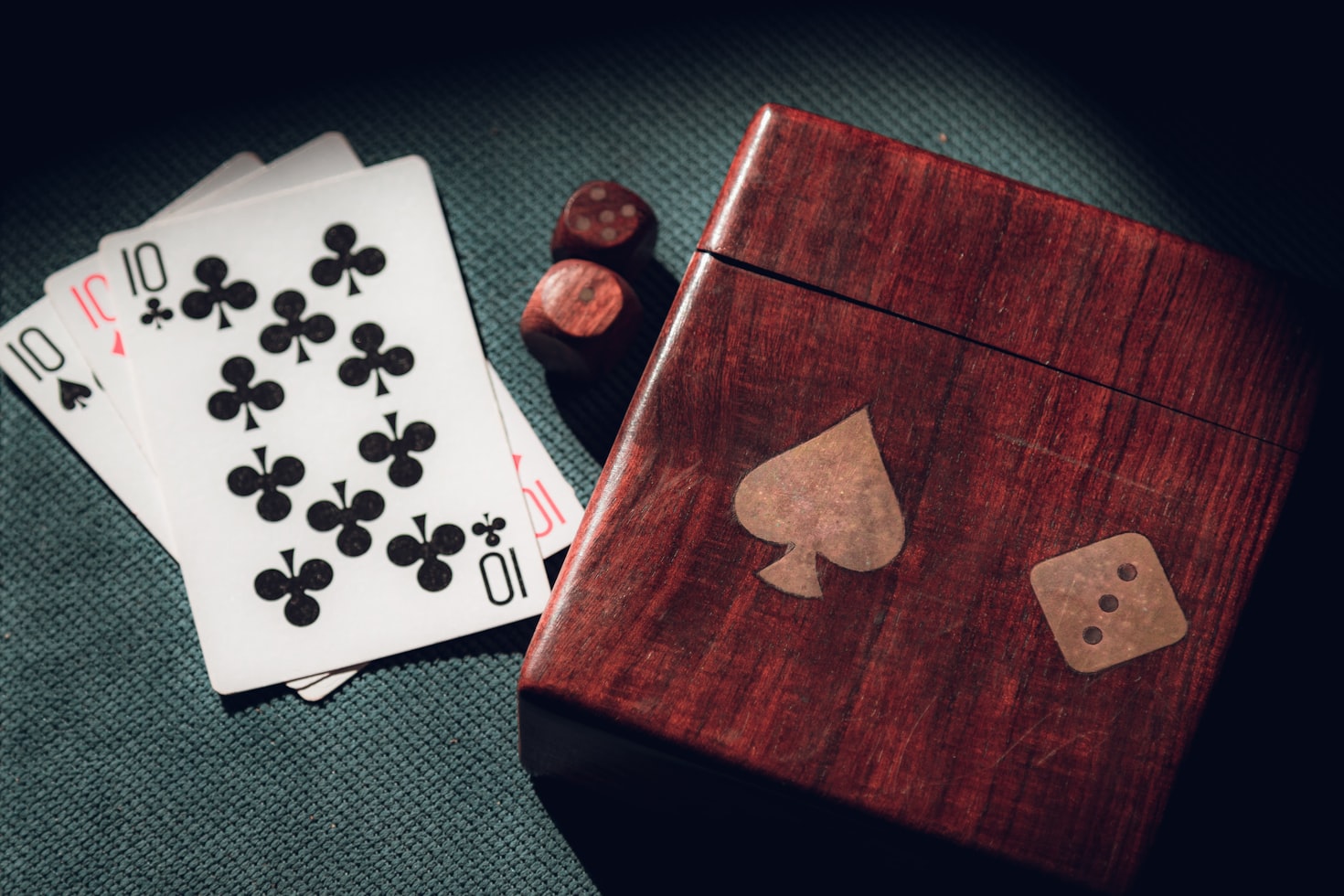
Fun Casino: A Modern Gaming Experience
As the world of gambling continues to evolve, platforms like Fun Casino stand out by offering a secure and enjoyable gaming environment. Established in 2014, Fun Casino has quickly gained recognition for its extensive selection of over 2,000 games, encompassing everything from classic slots to immersive live dealer experiences. This diversity caters to both new players and seasoned veterans, ensuring that everyone finds something that piques their interest.
Fun Casino is licensed by the UK Gambling Commission, ensuring that players can enjoy their favorite games with peace of mind, knowing that they are engaging in a fair and regulated environment. The platform emphasizes customer satisfaction, offering responsive support and multiple safe banking options, which enhances the overall gaming experience.
Additionally, Fun Casino provides generous welcome bonuses and ongoing promotions, further enriching the player experience. The commitment to responsible gaming underscores the platform’s focus on ensuring that gambling remains a form of entertainment rather than a source of distress. As the evolution of gambling continues, Fun Casino exemplifies how technology and player-centric values are shaping the future of this age-old pastime.