
The evolution of casinos Tracing the journey from ancient times to modern gambling hubs
The Origins of Gambling in Ancient Civilizations
The roots of gambling can be traced back thousands of years, with evidence found in ancient civilizations such as Mesopotamia, China, and Rome. Archaeological findings indicate that people played games of chance using rudimentary dice made from bone and other materials. The allure of predicting outcomes and risking possessions likely spurred the popularity of these games, making them an integral part of social gatherings. As this excitement grew over time, it laid the groundwork for modern establishments like Felix spin, where players can experience a rich history of gaming.

In ancient China, around 2300 BC, a form of gambling known as “Keno” emerged, which involved betting on numbered tiles. Similarly, the Romans hosted various games of chance at festivals and public gatherings, setting the foundation for more structured gambling experiences that would evolve over the centuries. These early forms of gambling were not just pastimes; they often held cultural and religious significance, influencing rituals and social status.
The Middle Ages: Gambling in Europe
During the Middle Ages, gambling was prevalent among the nobility in Europe, often associated with card games and betting on horse races. The introduction of playing cards in the 14th century revolutionized gambling, as these new games became popular across the continent. Social elites engaged in gaming not only for fun but also for social status, leading to the establishment of early gambling houses.
This period also saw the rise of regulations governing gambling activities. Many European monarchs imposed restrictions to curb excessive gambling, recognizing its potential to disrupt societal order. Nevertheless, gambling remained popular, with towns setting up designated areas for games, which laid the groundwork for future casinos.
The Birth of Modern Casinos
The 17th century marked a significant turning point with the establishment of the first official casino in Venice, Italy. The Ridotto, which opened in 1638, provided a structured environment for gambling, complete with regulations and a variety of games. This innovation attracted wealthy patrons and established a model for future casinos around the world.
As gambling spread across Europe, particularly during the 18th century, cities like Monte Carlo and Baden-Baden emerged as luxurious gambling destinations. The opulence of these casinos not only catered to high rollers but also integrated entertainment, dining, and social activities, transforming the casino experience into a holistic lifestyle choice.
Casino Evolution in the 20th Century
The 20th century brought about monumental changes in the casino landscape. The legalization of gambling in places like Las Vegas in the 1930s transformed it into a global gambling capital. With flashy lights and extravagant shows, Las Vegas casinos redefined the gaming experience, offering not only games but also a full spectrum of entertainment options.
Additionally, the advent of technology introduced new gaming experiences. Slot machines became increasingly popular, and innovations such as video poker and electronic gaming machines revolutionized how games were played. The integration of technology paved the way for online casinos, allowing people to gamble from the comfort of their homes.
Modern Gambling Hubs and Online Casinos
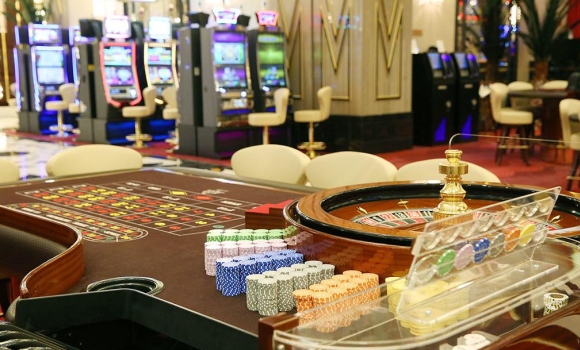
Today, casinos have evolved into sophisticated entertainment complexes, often featuring luxury hotels, fine dining, and world-class entertainment. Cities such as Macau have emerged as major gambling hubs, surpassing Las Vegas in revenue. The globalization of gambling has led to a diverse range of gaming options that cater to various audiences, from traditional games to innovative experiences.
The rise of online casinos has further transformed the gambling landscape. With the convenience of accessing games anytime and anywhere, online platforms offer players a wide selection of games, including live dealer experiences that replicate the thrill of in-person gambling. The integration of cryptocurrencies and mobile payment options has made online gambling accessible to a broader audience, ensuring that the industry continues to thrive.